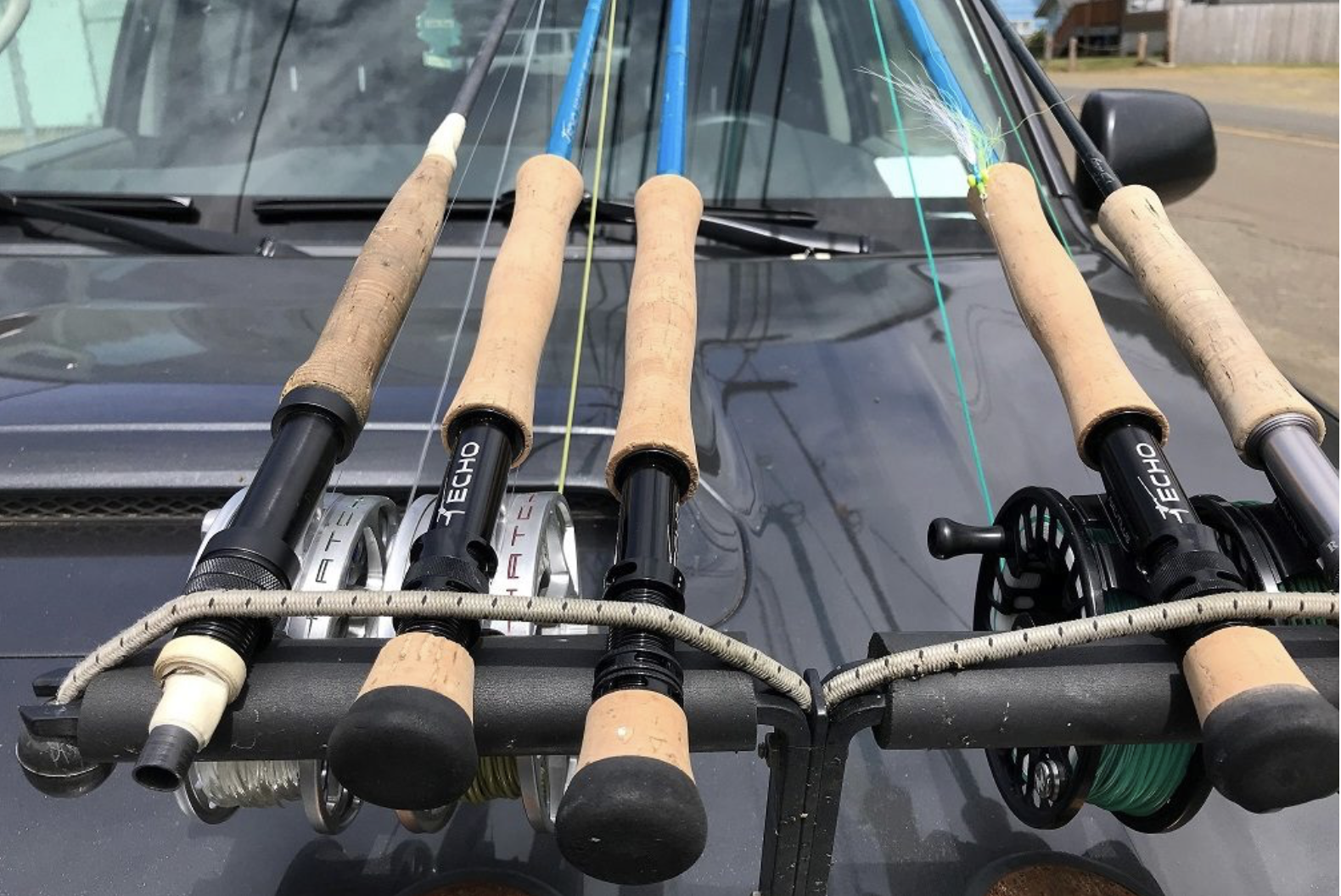

Anglers, listen up. If you’re on the hunt for a fly rod that throws big flies with the soul of classic fiberglass, you need to know about the Echo Bad Ass Glass. This is not your grandfather’s soft, whippy glass rod. It’s a modern tool built for turning heads and landing heavy fish in both fresh and saltwater.
The Echo Bad Ass Glass, or BAG, has become a cult favorite among fly fishing enthusiasts for a reason. It blends the classic feel of fiberglass with the power and performance of modern design. Let’s get into what makes this rod so special and why it might be the perfect addition to your fishing arsenal.
Shop Now
From Old School Glass to a Modern Powerhouse
To appreciate the Echo BAG, it helps to understand where fiberglass rods came from. Many of us started with them; my dad bought me my first rod from the local Foster sporting goods store. It was a Wright & McGill Eagle Claw fiberglass fly rod, and at the time, it felt light and capable.
For decades, those Eagle Claw fiberglass fly rods were the standard. Then came “next gen” graphite, which took over the market with promises of lighter, faster, and more powerful casting performance. For successive generations of fly fishers, graphite was king, and manufacturers focused on small increments of improvement, chasing ever-faster actions and tighter loops.
But something was lost along the way—the feel and fun of a rod that loads deeply. Recently, fly fishers have rediscovered the joy of glass, and Echo has led the charge with the Bad Ass Glass. This isn’t just a throwback; it’s a complete reimagining of what a glass fly rod can be.
What Sets the Echo Bad Ass Glass Apart?
First things first, let’s talk about what makes the Echo Bad Ass Glass fly rod stand out. This rod is all about powerful, smooth action designed to handle big, wind-resistant flies and even bigger fish. It delivers impressive performance without feeling like a stiff broomstick.
The secret is in the S-Glass construction. Echo has perfected the art of building a modern fiberglass rod, creating a tool that is both incredibly strong and surprisingly sensitive. You’ll feel every bump and tick, but you’ll also have the deep backbone to pull a trophy fish from heavy cover.
The Power of Modern Fiberglass
Fiberglass fly rods have made a huge comeback, and for good reason. They offer a slower, more deliberate action that many anglers prefer, protecting tippets and making casting more intuitive. The Echo Bad Ass Glass takes this classic material and cranks it up a notch with a faster, more responsive taper.
With this BAG rod, you get a fantastic combination of traits. It has the soft, forgiving tip of classic glass but also the powerful butt section needed to cast heavy fly lines and fight aggressive fish. It’s a design that has made it one of the most wanted rods on the market.
Performance on the Water
Now, let’s get down to the critical part. How does the Echo Bad Ass Glass perform when you’re actually fishing? The answer is simple: it’s imposing.
This ass glass fly rod excels in a vast variety of freshwater and saltwater environments. Whether you’re casting for bass in a weedy pond or battling redfish on the flats, the Bad Ass Glass is up to the task. Its durability means you won’t have to baby it when things get rough.
Casting Like a Dream
One of the standout features of the Echo Bad Ass is its casting ability. The rod loads easily and deeply, even at short distances. This makes it a joy to use in tight quarters where precision and feel are critical for success.
But don’t assume this rod is just for close-range work. When you need to reach out, the Bad Ass Glass has the power to deliver. It can throw heavy, air-resistant flies and long lines with surprising ease, something that older glass rods struggled with.
Fighting Fish with Finesse
When you hook a fish, the Echo Bad Ass Glass truly comes alive. The rod’s progressive action means it bends deep into the blank when under pressure. This cushion light tippets and gives you incredible control over your catch, absorbing sudden runs and head shakes.
The soft tip protects light connections, while the powerful butt section provides the leverage you need to turn big fish. It’s a winning combination that’ll have you landing more fish. This rod wouldn’t wiggle or fold under pressure like some other wanted fly rods.
Ready to Elevate Your Skills?
Fly Fishing Classes
Whether you're just getting started or looking to refine your technique, our expert-led fly fishing classes will get you on the water with confidence. Browse our upcoming classes and book your spot today—spaces fill fast!
Taming the Beast: How to Cast the BAG
For the typical fly angler raised on ultra-fast graphite fly rods, casting the Echo BAG requires a slight adjustment. Graphite often rewards a fast, aggressive casting stroke. The Echo Bad Ass Glass, on the other hand, asks you to slow down and feel the rod work.
Let the weight of the fly line do the work for you. Apply power smoothly and focus on a distinct pause on your backcast to let the rod load completely. Once you find the rhythm, you’ll be able to form beautiful, efficient loops that make casting a pleasure.
The rod’s slower tempo makes it an excellent teaching tool for improving your timing. You can physically see the rod bend and unbend, helping you understand the mechanics of the cast. Even experienced anglers find that fishing the BAG helps refine their casting stroke, leading to better casting performance across all their graphite rods, too.
Choosing Your Weapon: A Model-by-Model Breakdown
The Echo Bad Ass Glass comes in a range of weights, from a versatile mid-weight to an actual big game cannon. Choosing the right one depends on your target species and preferred fishing style. As I’ve grown as an angler, I’m writing this guide to help you select the perfect model for your needs.
Each BAG Quickshot model is designed with a specific purpose in mind, though they all share that same decisive, soulful action. The series is built to handle the demanding lines and large flies used in modern fly fishing. Here’s a look at the different models and what they do best.
| Model | Length | Ideal Use Cases | Recommended Line Weight |
|---|---|---|---|
| 6WT | 8’0″ | Largemouth bass, smallmouth bass, big trout with streamers, light saltwater. | 210-230 grains |
| 8WT | 8’0″ | Bass, pike, redfish, bonefish, snook, false albacore. A true all-around workhorse. | 270-290 grains |
| 10WT | 8’0″ | Pike, musky, tarpon, giant trevally, permit, light offshore. | 330-350 grains |
| 12WT | 8’0″ | Heavy lifting for tarpon, giant trevally, sailfish, and other offshore species. | 380-400 grains |
Matching Your Rod to Your Fishing Style
When choosing your Echo Bad Ass Glass fly, consider your fishing style. Do you prefer casting big poppers for bass? Or do you enjoy sight-casting to bonefish on the flats? The right rod makes all the difference.
The 8-weight is often considered the sweet spot in the lineup, capable of handling an incredible range of species and situations. However, if you focus on larger species like musky or tarpon, the 10 or 12-weight models offer the lifting power you need. Don’t be afraid to choose a rod specifically for the fishing you do most often.
Cast Beyond the Local
Fly Fishing Trips
Hosted and non-hosted trips are available throughout the year. Our hosted trips are a great way to travel in a group. We schedule annual trips to Christmas Island, Terrace, BC, Fall River, and Rogue River.
The Perfect Partner: Pairing Fly Lines with the BAG
A great fly rod is only as good as the fly line it’s paired with. To get the most out of your Echo Bad Ass Glass, it’s essential to select the right line. Because of its deep-flexing nature, the BAG performs best with lines that have a short, aggressive front taper.
These lines are designed to load a rod quickly with minimal false casting, which perfectly complements the BAG’s action. Lines like the Scientific Anglers Titan Taper or RIO OutBound Short are excellent choices. They have enough mass at the front to turn over big, air-resistant flies and load the rod powerfully.
Avoid overly long, delicate-taper fly lines, as they may not have enough head weight to load the rod effectively, especially at close distances. The Echo BAG is built for aggressive fishing, so pair it with a line that matches its personality. Experimenting with different lines can also help you fine-tune the rod’s performance to your specific casting style.
The Echo Bad Ass Glass in Action
Let’s paint a picture of the Echo BAG in action. Imagine you’re on the bow of a flats boat, stalking a school of redfish in murky water. Your guide points out a push of water, and you know you have one shot.
You pull some line off your reel and make a cast with your 8-weight Echo Bad Ass Glass fly. The rod loads smoothly, and your heavy crab fly lands softly just ahead of the school. A fish charges, eats the fly, and the fight is on.
As the redfish makes a powerful run towards a nearby oyster bar, you can feel every head shake through the sensitive fiberglass blank. The rod bends deeply, absorbing the fish’s lunges and protecting your tippet. After a thrilling battle, you slide a beautiful 30-inch redfish boatside.
Real-World Performance
This scenario is precisely what the Echo Bad Ass Glass was built for. From smallmouth bass in rocky rivers to hard-fighting saltwater species, this rod is proving its worth on waters around the world. It’s a tool for the modern angler who values feel as much as performance.
Anglers praise its ability to protect tippets while still having the raw power to land big fish. They love how it casts both poppers and heavy streamers with authority. And they appreciate its durability, as it stands up to the rigors of hard fishing, boat rash, and travel day after day.
Caring for Your Echo Bad Ass Glass
Like any quality piece of fishing gear, your Echo BAG deserves proper care. With a bit of attention, this glass rod will serve you well for many years of fishing adventures. Taking a few simple steps will preserve its performance and appearance.
After each use, especially in saltwater, rinse your rod with fresh water and wipe it down with a soft, damp cloth. This removes any dirt or salt that could damage the blank or guides. Always dry your rod thoroughly before storing it in its tube to prevent mildew.
When assembling your rod, align the guides carefully and don’t overtighten the ferrules; a snug fit is all that’s needed. When breaking it down, twist gently to separate the sections. Avoid pulling straight apart, which can create a vacuum and make separation difficult.
Protecting Your Investment
While the Echo Bad Ass Glass is built tough, it’s not indestructible. Be mindful of your rod when moving through brush or getting in and out of vehicles. A rod sock can provide extra protection from scratches during transport.
If you’re traveling by plane, a sturdy, hard-sided rod case offers the best protection. And when it’s not in use, store your rod in a cool, dry place away from direct sunlight. Proper care ensures your echo bad rod will be ready for your next trip.
Conclusion
The Echo Bad Ass Glass is more than just a fishing rod. It is a tool that can connect you to your fishing in a more profound way, elevating the entire experience. With its blend of classic fiberglass feel and modern power, it’s no wonder this echo bag rod has gained such a devoted following.
Whether you are a seasoned pro or an angler looking to experience the joy of glass, the ass glass deserves a spot in your arsenal. It’s versatile, powerful, and exceptionally fun to fish with. So give the Echo Bad Ass Glass fly rod a try, because your following memorable catch could be just a cast away.