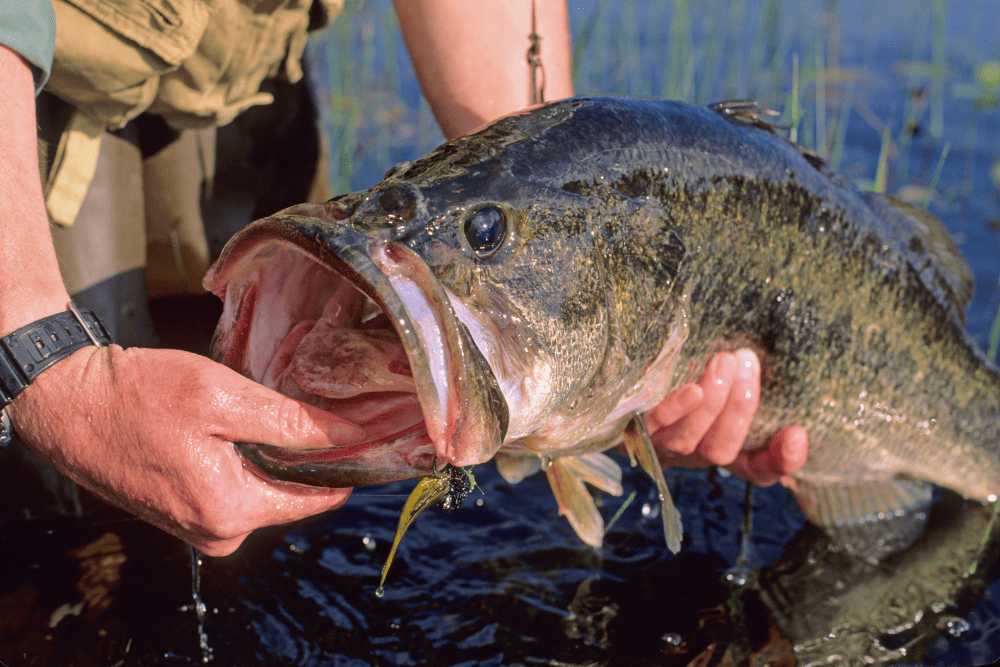

Fly fishing for bass marries the elegance of fly casting with the raw excitement of hooking one of America’s most beloved game fish. This approach brings new challenges and rewards compared to conventional methods. Whether targeting largemouth bass in a familiar pond or stalking smallmouth bass along a riverbank, using a fly rod adds an engaging layer to the pursuit of these powerful predators.
This guide provides the essential information to begin fly fishing for bass and helps refine your approach for more consistent success. Understanding bass behavior, selecting the right fishing gear, and mastering specific techniques are all part of the journey. Get ready to experience bass fishing in a completely different light.
Ready to Elevate Your Skills?
Fly Fishing Classes
Whether you're just getting started or looking to refine your technique, our expert-led fly fishing classes will get you on the water with confidence. Browse our upcoming classes and book your spot today—spaces fill fast!
Understanding Bass Behavior
Successfully catching bass on the fly requires understanding their habits and instincts. Bass are apex predators in many environments, known for their opportunistic feeding behavior. They often position themselves near structure or patrol changes in depth, waiting to ambush prey.
Light conditions and water temperature strongly influence their activity levels. Bass are generally most active during the cooler parts of the day, such as early morning and late evening, or under the diffused light of overcast skies. Understanding the target water temperature range for active feeding is crucial for planning your fishing time.
Bass have a varied diet that includes smaller fish, crayfish, frogs, large insects, and even small mammals or birds if the opportunity arises. Identifying the primary forage in the specific water you’re fishing helps immeasurably in selecting the right bass fly patterns. Observing local baitfish and insect life gives you a considerable advantage when choosing size flies and colors.
Different bass species also exhibit varying behaviors. Largemouth bass often prefer heavier cover like weed beds, lily pads, and submerged timber in warmer, slower waters. Smallmouth bass are frequently found in cooler, clearer rivers and lakes with rocky structures and current.
Essential Gear for Bass Fly Fishing
While it’s possible to catch bass using lighter fly fishing gear, especially smaller fish, a setup specifically chosen for bass will greatly enhance your experience. Having the right equipment helps you cast the larger, air-resistant flies commonly used and gives you the backbone needed to manage powerful fish. Investing in appropriate fishing gear from the start makes a big difference.
Finding a great deal on equipment is possible, but prioritize quality where it matters most, like the fly rod and fly line. Your connection to the fish runs through this system. Let’s break down the core components.
Rod and Reel
For most bass fly fishing situations, a 7, 8, or 9-weight fly rod is the standard recommendation. An 8-weight is often considered the most versatile, providing enough power to throw big flies and handle wind, yet still being enjoyable with average-sized bass. A 9-foot length is generally preferred for its casting performance and line control capabilities.
The choice between rod weights often depends on the size flies you intend to cast and the typical size of bass you expect to encounter. Lighter rods (6 or 7-weight) might suffice for smaller flies and smaller bass, similar to heavy weight trout setups, but an 8 or 9-weight provides the necessary muscle to throw big, air-resistant bass bug patterns or sinking fly lines effectively. A quality bass fly rod makes a noticeable difference.
Pair your fly rod with a reel that balances the rod well and has a reliable drag system. While bass don’t typically make blistering long runs like saltwater species, a smooth drag protects light tippets and helps control strong fish near cover. Ensure the reel has adequate capacity for the fly line and sufficient backing (usually 100 yards of 20lb Dacron is ample).
Fly Line
The fly line is critical for casting bulky bass flies. A weight-forward (WF) floating line designed specifically for bass or warm water species is the most common and versatile choice. These lines often feature aggressive front tapers that help turn over large, wind-resistant flies like poppers and streamers.
Having multiple fly lines or spare spools can be advantageous for adapting to different conditions. A sink-tip or full sinking line is invaluable when you need to get your flies deep, especially during the warmer months when bass hold in cooler, deeper water or when fishing deep structure. Intermediate lines, which sink very slowly, are useful for presenting flies just below the surface in shallow water or over submerged vegetation.
Leaders and Tippet
Bass are generally less spooked by leaders than trout, allowing fly anglers to use shorter and heavier setups. A tapered leader of 7.5 to 9 feet ending in 10lb to 15lb test tippet is a good starting point for most situations. Fluorocarbon tippet material is often preferred for its abrasion resistance, especially when fishing around rocks and wood, and its lower visibility underwater.
For fishing heavy cover or using large flies, you might even opt for a straight section of 15-20lb monofilament or fluorocarbon as your leader. When fishing topwater flies like a bass popper or frog popper, a shorter, stiffer leader helps turn the fly over effectively. You need to pay attention to how your leader performs with different fly types.
Choosing the Right Flies
Selecting the right bass fly is a critical part of the equation for catching fish. Bass are opportunistic feeders and can be tempted by a wide array of patterns, but having confidence in a few key styles will improve your success rate. The world of bass flies is diverse, encompassing patterns that imitate everything from baitfish to frogs to insects.
Unlike trout fishing where exact imitation is often crucial, bass fly fishing frequently relies on suggestion, movement, and triggering a predatory response. Many successful bass flies feature materials that create inherent action, like marabou, rabbit strips, or rubber legs. Color selection often follows general guidelines: bright colors for murky water or attention, natural colors (like olive, black, white, brown color) for clearer water or specific imitations.
Here are some essential categories and popular bass fly patterns:
- Poppers & Sliders: These topwater flies create surface disturbance, mimicking struggling prey like frogs or injured baitfish. Examples include the classic cork or foam bass popper and deer hair sliders. They are exceptionally exciting to fish, often drawing explosive surface strikes.
- Deer Hair Bugs: Patterns like Dahlberg Divers or deer hair frog imitations push water and can be fished on the surface or just below. Their buoyancy and action make them irresistible bass targets, especially around lily pads or weed edges. A frog popper made of deer hair is a classic.
- Woolly Buggers: Perhaps the most versatile fly ever created, the Woolly Bugger imitates leeches, large nymphs, and small baitfish. Fished in various sizes and colors (black, olive, brown are staples), it’s a must-have for any fly box, effective in nearly any water type. The addition of rubber legs increases its appeal.
- Clouser Minnows: Designed by Bob Clouser, this weighted streamer uses dumbbell eyes to make the fly sink hook-point-up, reducing snags. It effectively imitates baitfish and is excellent for fishing various depths, from shallow flats to deep channels. Its jigging action when stripped is a powerful trigger reaction.
- Crayfish Patterns: Since crayfish are a primary food source for bass in many waters, realistic crayfish pattern flies are highly effective. These are typically weighted to be fished along the bottom, often in colors like brown, olive, or orange. Slow drags and hops mimic natural crayfish movement.
- Large Streamers: Big flies catch big fish. Large articulated streamers, often 4-8 inches long, imitate larger baitfish or even small gamefish. These require heavier fly rods (8-10 weight) to cast effectively but can entice strikes from the largest bass in the system. You need confidence to throw big flies.
Don’t hesitate to experiment with different size flies. While the general rule is often “bigger flies for bigger fish,” sometimes downsizing can be effective, especially under high fishing pressure or when bass are keyed in on smaller forage. Carrying flies in sizes ranging from #6 up to #2/0 or even larger for articulated patterns covers most bass fishing scenarios.
Techniques for Fly Fishing for Bass
Presenting the fly effectively and imparting the right action are fundamental to success when fly fishing bass. Unlike passive presentations sometimes used in trout fishing, bass techniques often involve active retrieves designed to attract attention and provoke a strike. The specific techniques you employ will vary depending on the type of fly, the water you’re fishing, and the mood of the fish.
Mastering casting, especially with bulky bass flies, is step one. Practice roll casts and steeple casts for tight quarters, and learn the double haul to generate line speed for distance and punching through wind. Accuracy is paramount when casting towards structure or sighted fish.
Topwater Action
Fishing topwater flies like poppers, sliders, or a bass bug is arguably the most exciting way to fish bass. The visual element of a bass exploding on a surface fly is unforgettable. Cast your topwater fly near potential holding spots like weed edges, docks, fallen trees, or lily pads.
Let the fly sit still for several seconds after it lands – the initial splashdown often attracts attention. Then, use sharp, short strips of the fly line to make the popper “pop” or “chug,” creating noise and surface disturbance. Experiment with the cadence: pop-pause, pop-pop-pause, or slow twitches can all be effective.
Pay attention to the pauses; bass often strike when the fly is sitting motionless. Vary your retrieve speed until you find what the bass prefer on that particular day. Topwater fishing is generally most productive during low-light periods or in the warmer months.
Streamer Fishing
Streamer flies imitate baitfish, leeches, or crayfish and are fished subsurface. The retrieve is key to imparting lifelike action. Try varying retrieves from slow and steady strips, mimicking a cruising baitfish, to fast, erratic strips suggesting fleeing or injured prey.
Incorporate pauses into your retrieve. Letting a streamer like a Woolly Bugger or Clouser Minnow momentarily stop and fly sink often triggers a reaction bite from following bass. This mimics stunned or dying prey, an easy meal opportunity predators rarely pass up.
Adjust your retrieve based on water temperature and fish activity. In colder water, bass may be more lethargic and prefer a slower presentation. In warmer water, a faster, more aggressive retrieve might be needed to trigger reaction strikes. Getting your flies deep might require a sinking fly line or weighted flies.
Working Structure
Bass are structure-oriented fish. They use cover like submerged logs, rock piles, weed beds, docks, bridge pilings, and drop-offs as ambush points and resting areas. Accurately casting your fly as close to this structure as possible is crucial.
Practice casting to place your fly precisely along weed lines, into pockets in lily pads, or right beside dock pilings. Sometimes, bass hold incredibly tight to cover. Using weedless flies can be advantageous when fishing in heavy vegetation or timber, allowing you to present the fly in snag-prone areas where bass love to hide.
Retrieve your fly away from the structure towards deeper or open water, mimicking prey leaving its cover. Be prepared for strikes as soon as the fly starts moving or as it drops near the structure. These ambush points are prime locations for catching fish.
Best Times and Places for Bass on the Fly
While bass can technically be caught throughout the year in many regions, certain periods offer more consistent and productive fishing opportunities for fly anglers. Spring and fall are generally considered peak seasons. During these transitional periods, changing water temperature triggers significant movements and feeding activity.
In spring, as waters warm, bass move from deeper wintering areas into shallower zones for the pre-spawn feeding period and then the spawn itself. This shallow water activity makes them more accessible. In fall, cooling water temperatures again trigger aggressive feeding as bass prepare for winter, offering another window of excellent fishing time.
Summer can also be productive, especially during early mornings, late evenings, and at night, avoiding the midday heat when bass often retreat to deeper, cooler water or thick shade. Overcast or windy days during summer can extend the bite window. Understanding seasonal patterns related to water temperature is vital.
Prime locations often feature a combination of deep water access and shallower feeding areas. Look for points extending into deeper water, underwater humps, creek channels, flats adjacent to drop-offs, and areas with abundant cover like weed beds or submerged timber. These transitions and structures concentrate fish.
Don’t underestimate smaller waters like farm ponds, small lakes, or local creeks. These often receive less fishing pressure and can harbor surprisingly large bass. They are also a great place to hone your skills and experiment with different bass flies and techniques.
Adapting to Different Water Types
Bass inhabit a wide range of environments, from flowing rivers to vast reservoirs and small ponds. The tactics and approaches needed for success can differ significantly depending on the specific water you’re fishing. Tailoring your strategy to the environment is essential for consistently catching fish.
Rivers and Streams
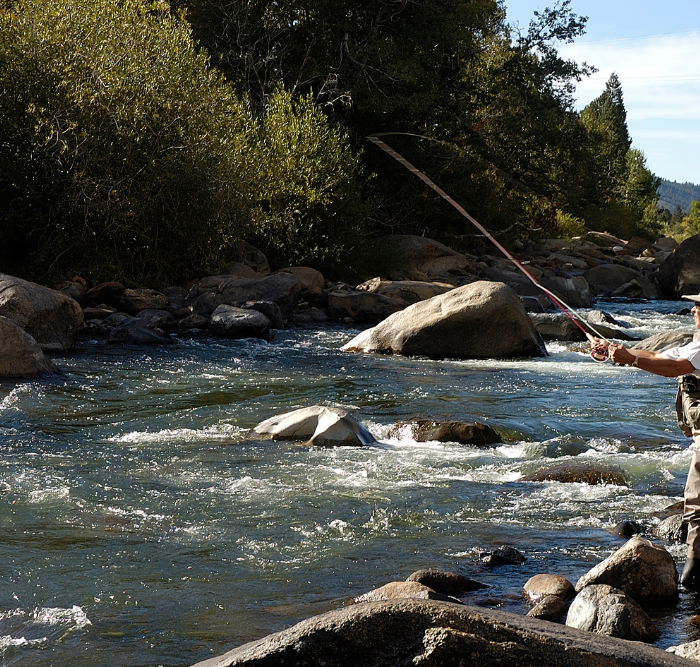
Moving water presents unique challenges and opportunities. Bass in rivers, particularly smallmouth, often relate heavily to current breaks. Look for eddies behind boulders, submerged logs, bridge pilings, or along seams where fast and slow currents meet.
These areas allow bass to hold out of the main current while ambushing prey swept downstream. Weighted flies like Clouser Minnows, crayfish patterns, or heavy Woolly Buggers are often necessary to get down to the fish in faster currents. Getting your flies deep is often required.
Presentation techniques common in trout fishing, like swinging flies across current seams or dead-drifting nymphs under an indicator, can be effective. Casting upstream and stripping streamers back through likely holding water is also a productive method. Pay attention to subtle changes in current and depth.
Lakes and Reservoirs
In larger bodies of still water, bass behavior is often dictated by structure, depth, and forage availability. Locating key features is critical. Use maps or electronics if available to find points, drop-offs, submerged islands, roadbeds, creek channels, and extensive weed flats.
During low-light periods (early morning/late evening), focus efforts on shallow water areas like coves, shorelines with cover, and flats where bass move to feed. Midday, especially during warmer months, bass often move deeper. Target main lake points, deep weed edges, or offshore structures using sinking fly lines or weighted flies to reach appropriate depths.
Fishing near docks, marinas, and floating vegetation like lily pads can also be productive, as these provide shade and ambush points. Open water areas can hold suspended bass, especially if schools of baitfish are present, requiring different search tactics, sometimes involving covering water quickly with streamers.
Farm Ponds
Small ponds can be fantastic fisheries, often overlooked yet capable of growing very large bass due to abundant forage and potentially less fishing pressure. Stealth is often key in these smaller, sometimes clearer waters. Avoid sudden movements and loud noises on the bank.
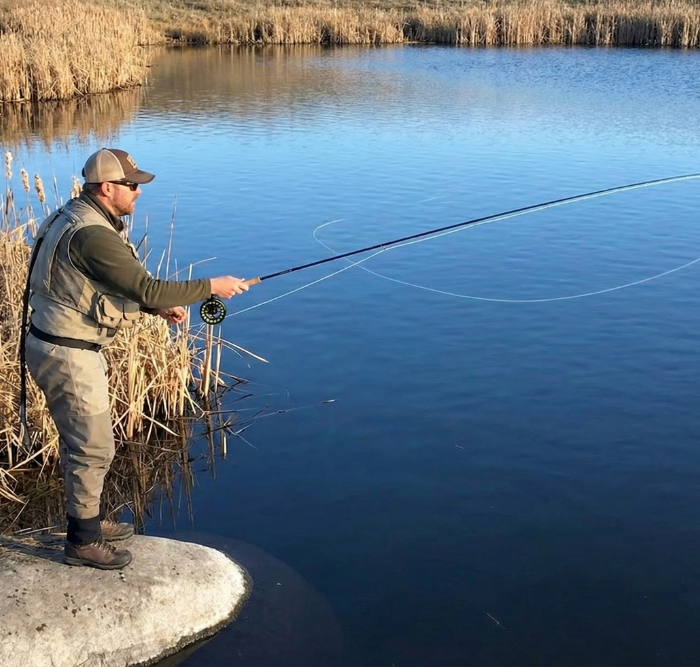
Walking the shoreline and making parallel casts along the bank can be very effective, as bass often cruise these edges. Target visible cover like cattails, overhanging bushes, or submerged logs. Using a small boat, kayak, or float tube allows access to the center of the pond and areas unreachable from the bank, which can be a great place for bigger fish.
Poppers, small streamers, and nymphs like the Woolly Bugger are usually good choices for pond fishing. Because the environment is smaller, bass might see the same flies repeatedly, so experimenting with different patterns and retrieves can pay off.
Advanced Techniques for Big Bass
Once you’ve gained experience with the fundamentals of fly fishing for bass, you might want to explore more specific techniques often employed by seasoned fly anglers to target larger, trophy-class fish. Catching truly big bass often requires patience, persistence, and sometimes unconventional approaches. These methods push your skills and understanding of bass behavior.
Night Fishing
Many truly large bass, especially largemouth, become primarily nocturnal feeders during the hot summer months or in heavily pressured waters. Fly fishing at night is an intense sensory experience, relying heavily on sound and feel. Safety is paramount; know the water well, fish with a partner, use headlamps minimally, and announce your presence to other boaters.
Noisy topwater flies like large poppers, Jitterbug-style flies, or flies with rattles are effective because bass locate them by sound and vibration. Large, dark-colored streamers (black, purple) pushed slowly provide a bulky silhouette against the night sky or dim light. Focus retrieves on creating disturbance and vibration rather than visual appeal.
Sight Fishing
In clear water conditions, particularly during the spring spawning season or on shallow flats, you can often spot bass visually before making a cast. This requires polarized sunglasses to cut glare and patient observation. Look for the dark shapes of cruising fish, subtle movements near cover, or the light-colored patches of spawning beds (which should be fished ethically or avoided).
Sight fishing demands stealth and accurate casting. You need to present the fly naturally without spooking the target bass. Lead the fish slightly, letting the fly enter its strike zone without landing directly on top of it. Choose flies appropriate for the depth and behavior – a slowly sinking crayfish pattern for bottom-huggers or a small streamer for cruisers.
Swinging the Fly
Primarily a river technique borrowed from steelhead and salmon fly fishing, swinging large streamers can be deadly effective for aggressive smallmouth and largemouth bass. Position yourself upstream of likely holding water like current seams, ledges, or boulder fields. Cast across the current, or slightly downstream.
Allow the current to sweep the fly across the suspected holding zone on a relatively tight line. The tension creates a ‘swinging’ motion that often triggers savage strikes from territorial bass. Use sink-tip or full sinking fly lines to control the depth of the swing, ensuring the fly passes through the strike zone effectively. This method covers water efficiently and can provoke a reaction bite.
Experimenting with different fly profiles, colors, and swing speeds is part of the process. Once mastered, this specific technique can be highly rewarding, especially for river systems where anglers target migrating or staging fish.
Conservation and Ethical Angling
As stewards of the environment, fly anglers play an important role in conserving bass populations and their habitats. Practicing responsible angling ensures these exciting freshwater fish remain available for future generations. This responsibility extends beyond simply catching fish; it includes how we handle them and interact with their environment.
Catch-and-release is highly encouraged, especially for larger bass. These larger individuals are often the most successful spawners and contribute significantly to the fishery’s health. Handle fish quickly and gently, wetting your hands before touching them to protect their slime coat, which guards against infection.
Using barbless hooks, or pinching down the barbs on existing hooks, makes releasing fish much easier and causes less potential injury. Avoid exhausting fish completely; use appropriate tackle (like a proper bass fly rod) to land them efficiently. During the spring spawning season, be mindful of fishing activity around nesting areas to avoid disrupting reproduction.
Beyond handling fish properly, anglers target environmental stewardship. Always pack out everything you bring in, including waste line and trash. Be aware of regulations regarding invasive species transport – clean your boat, waders, and fishing gear thoroughly between different water bodies to prevent spreading unwanted organisms.
Consider getting involved with local conservation groups or initiatives focused on improving water quality and bass habitat in the water you’re fishing. Protecting these resources is a collective effort, and fly anglers can be powerful advocates for healthy fisheries. This commitment helps keep bass fishing extremely popular worldwide.
Conclusion
Fly fishing for bass offers a deeply engaging and rewarding way to connect with these extremely popular freshwater fish. It challenges anglers to understand behavior, master casting different fly types, and apply specific techniques tailored to the conditions. From the visual thrill of a topwater take on a bass popper to the subtle feel of a streamer bump in deep water, catching bass on the fly is an experience unlike any other.
Success comes from blending knowledge of bass habits with proficiency in using your fly fishing gear. Selecting the right fly rod, fly line, and bass fly for the situation makes a significant difference. Whether you’re targeting largemouth bass lurking near lily pads in shallow water or smallmouth bass holding in river currents, the fly fisherman has a versatile toolkit.
With the insights on gear, flies, understanding bass behavior, and the various techniques discussed, you’re equipped to start your journey or elevate your existing skills in fly fishing for bass. Remember to practice ethical angling and conservation. Now, rig up your fly rod, select a promising bass fly like a Woolly Bugger or crayfish pattern, find some likely water, and enjoy the pursuit – the thrill of catching fish awaits.